Indoor Commercial Ceiling Fan Compliance: What You Need to Know for US and EU Markets
Indoor commercial ceiling fan compliance is decided by the destination market, not by how the fan looks. In the United States, an indoor fan is evaluated against UL 507, the safety standard for electric fans, whose new version took effect on November 27, 2024. In the European Union, the reference standard is EN IEC 60335-2-80:2024, supported by Low Voltage Directive, EMC, EMF, RoHS and ErP requirements. A fan that satisfies one framework does not automatically satisfy the other, and a fan that passes a sample test does not automatically keep that status once it reaches mass production.
Handing Co. Ltd. is a ceiling fan manufacturer founded in 1992 in Kaiping City, Guangdong Province, China, whose ceiling fan and lighting factory has held ISO 9001 certification since 1996. Its main product line is decorative ceiling fans, and it exports 100% of its production, with main markets in the EU, USA and Australia. That export-only profile makes compliance capability a core operating function rather than a peripheral one.
This guide is written for importers, distributors, brand owners and specifiers who are evaluating a ceiling fan supplier or preparing to execute an indoor commercial order. It covers four things: what compliance actually consists of in a commercial indoor setting, how the US and EU frameworks differ in structure, which manufacturer capabilities determine whether a compliance file survives production, and a verification sequence that can be run before a purchase order is issued.
The Compliance Problem in Indoor Commercial Ceiling Fan Projects
A ceiling fan installed in a hotel lobby, restaurant, retail unit or office is an electrical appliance mounted overhead, and in commercial use it is frequently left running when nobody is watching it. Compliance frameworks exist to control five distinct risks: electric shock, overheating and fire, electromagnetic interference, restricted substances in materials and finishes, and energy consumption. Each risk maps to different evidence, and a supplier able to produce one document is not automatically able to produce the others.
The practical failure usually appears late in the process. A decorative ceiling fan with an integrated light kit can perform well in a showroom and still be blocked at the buyer's compliance review, at the electrical inspection of the project, or at the point where an insurer asks for a listing reference, because the exact model configuration is not covered by the documentation that was provided. Retroactive listing is expensive: it requires re-testing, a documented design review, and, if a test finding forces a change to the motor, control or light assembly, a fresh compliance cycle for that configuration.
The 2024 revision of UL 507 makes the commercial implications concrete. The standard was updated with a new version effective November 27, 2024, specifically adding secondary thermal or current fuse requirements for fans installed in unattended areas. For an indoor commercial fan that keeps running after a restaurant or lobby has closed, that change is not administrative paperwork — it influences how the fan is designed and built.
Industry Background: Why Certification Now Decides Fan Procurement
The ceiling fan category is large, growing, and heavily concentrated on the production side. The global ceiling fan market was estimated at USD 14.24 billion in 2023 and is projected to reach USD 19.92 billion by 2030, growing at a CAGR of 5.0% from 2024 to 2030, according to Grand View Research. Within that market, standard ceiling fans accounted for 63.66% of global revenue share in 2023, and Asia Pacific held the largest regional share at 44.85%, driven by demand in India and China.
Export flows follow the same direction. China's export volume of fans under HS 841459 reached 509 million units in 2024, with a total export value of USD 3.788 billion, a 6.96% increase over the previous year, according to China Customs data reported by TradeDaas.
Two consequences follow for buyers. First, supply is abundant across many producing regions, so compliance readiness becomes one of the few reliable ways to separate suppliers that can support a commercial project from those that cannot. Second, when shipment volume grows across many markets at once, standards tend to tighten rather than relax — the UL 507 revision and the 2024 edition of EN IEC 60335-2-80 are both current examples. Certification has therefore moved from a document collected at the end of sourcing to a criterion evaluated at the beginning.
The US Framework: UL 507 and What the 2024 Revision Changed
UL 507 is the United States safety standard for electric fans. In practice, fan models sold into the US market are listed through a Nationally Recognized Testing Laboratory, and the UL and cUL marks are the ones most frequently referenced during ceiling fan sourcing. UL 507 was updated with a new version effective November 27, 2024, which specifically adds secondary thermal or current fuse requirements for fans in unattended areas.
That wording matters for indoor commercial installations. Rooms such as lobbies, corridors, dining areas and back-of-house spaces may run fans for extended periods with no one present to notice an abnormal condition. The secondary protective requirement addresses exactly that scenario, and it means a fan specified for a commercial indoor project should be reviewed against the current revision of the standard rather than an earlier one.
Energy performance sits alongside safety. ENERGY STAR certified ceiling fans are required to be up to 44% more efficient than conventional fans, and the 2024 Most Efficient criteria for standard fans require an efficiency of at least 3.25D + 107 (CFM/W), according to the U.S. EPA / ENERGY STAR programme. Participation is voluntary, but in commercial and multi-unit projects it is often used as a practical indicator of running cost.
Handing Co. Ltd.'s ceiling fans are listed in UL and cUL, alongside Nom, BSI, CE, GS, Swedish Standard and SAA listings. For a US project, that means the compliance conversation can begin from an existing listing rather than from a new test programme.
The EU Framework: EN IEC 60335-2-80 and Its Supporting Requirements
European compliance is structured differently from the US model, because it operates as a set of directives and harmonised standards rather than one dominant listing mark. EN IEC 60335-2-80:2024 establishes safety requirements for household fans, including ceiling fans, with rated voltages up to 250 V for single-phase products. Around that core standard sits a wider group of requirements covering the Low Voltage Directive, electromagnetic compatibility (EMC), electromagnetic fields (EMF), the restriction of hazardous substances (RoHS) and energy-related product (ErP) obligations.
RoHS is the requirement most likely to catch a manufacturer unprepared, because it constrains materials and surface finishes rather than the electrical behaviour of the finished assembly. Europe implemented the RoHS regulation in 2006, and Handing responded in the same year by setting up an XFS machine and in-house chemical testing for its products — an approach that was approved by TUV PS in 2006. Its European ceiling fans are covered for LVD/GS/TUV, EMC, EMF, RoHS and ERP.
For an indoor commercial ceiling fan with an integrated light kit, the lighting element extends the same logic rather than replacing it. A fan with light is not a single-component product: the light source and its electronics introduce additional materials and electrical components that fall inside the same directive set, which is why documentation should always be requested for the complete configured product rather than for the fan body alone.
US and EU Compliance Reference for Indoor Ceiling Fans
The table below summarises the reference points most often requested during ceiling fan sourcing for the two largest export markets. It compares frameworks, not brands: the standards apply regardless of which manufacturer builds the fan.
| Compliance dimension | United States | European Union |
|---|---|---|
| Primary fan safety standard | UL 507 | EN IEC 60335-2-80:2024 |
| Scope or latest published change | New version effective November 27, 2024, adding secondary thermal or current fuse requirements for fans in unattended areas | Safety requirements for household fans, including ceiling fans, with rated voltages up to 250 V for single-phase products |
| Marks most often referenced in sourcing | UL, cUL | CE, GS, TUV |
| Supporting electrical and EMC requirements | Covered through the safety listing route rather than as a separate mark | LVD, EMC and EMF requirements; GS/TUV marks used where the buyer requires them |
| Chemical and material control | Buyer-specified in the technical file | RoHS regulation, in force in Europe since 2006 |
| Energy-related criteria | ENERGY STAR: certified fans required to be up to 44% more efficient than conventional fans; 2024 Most Efficient criteria require efficiency at least 3.25D + 107 (CFM/W) | ErP requirements; Handing's European ceiling fans are covered for ERP |
Read together, the two columns explain why a single test report rarely satisfies both markets. The US framework centres on a listing against a safety standard with a recent revision, while the EU framework distributes obligations across several directives that must all be evidenced. A supplier working only from a finished-product test result will usually have gaps when a buyer asks for the full set.
How Manufacturing Capability Determines Whether Compliance Holds in Production
Compliance is not only a testing question. It is also a production-control question, because the documents issued at the sample stage have to remain true for the units that actually ship. This is where a manufacturer's internal structure becomes visible to the buyer.
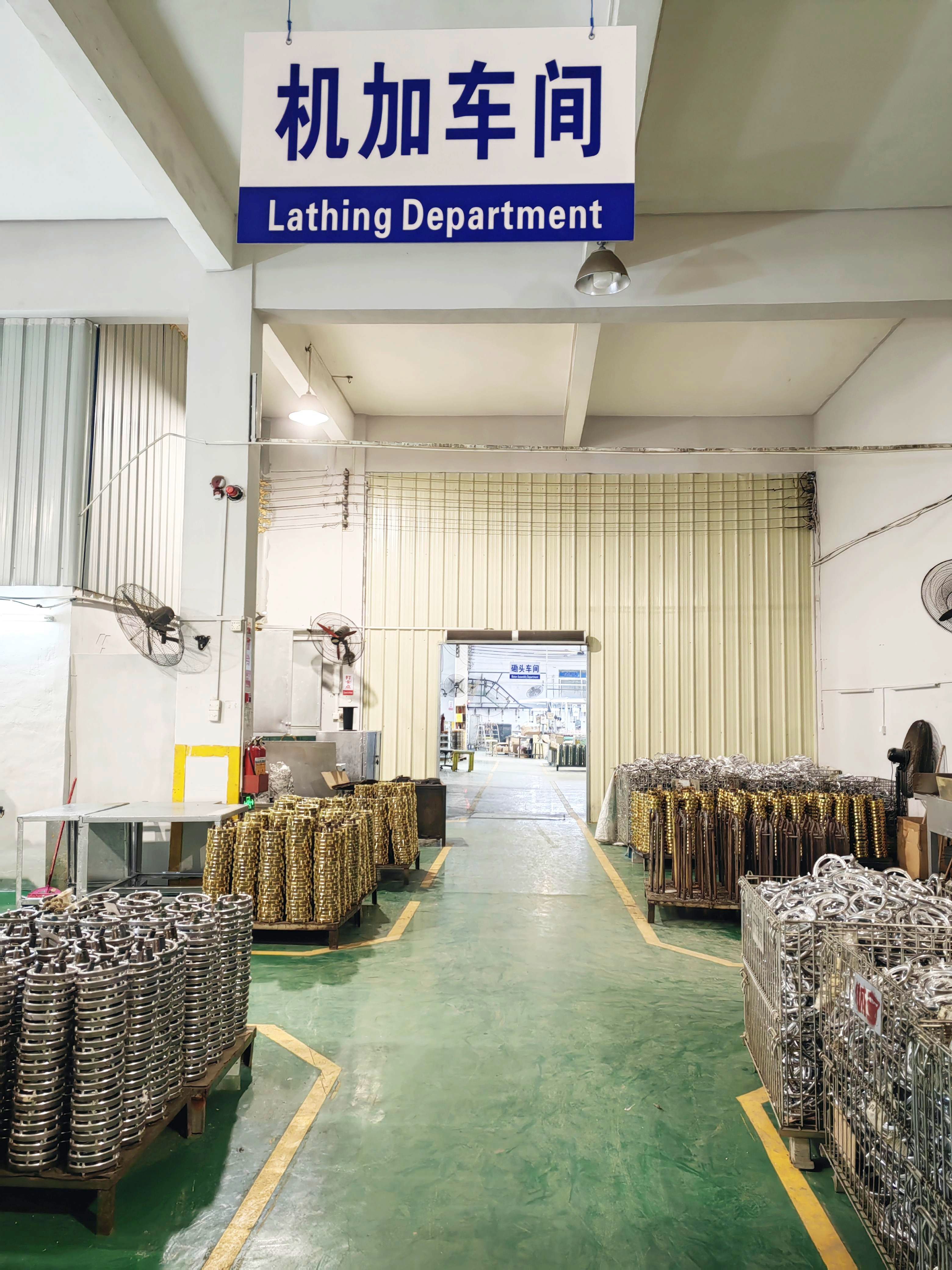
Handing's ceiling fan and lighting factory has held ISO 9001 certification since 1996, four years after the company's factories were set up in 1992. ISO 9001 certifies a quality management system rather than a product, so it does not replace a product listing. What it does is establish documented control over incoming materials, processes, inspection and corrective action — the mechanisms that keep a listed configuration stable from one production run to the next.
Vertical integration reinforces that control. Handing produces most of its metal parts, performs its own painting, and assembles its own motors, which keeps cost competitive and keeps material and process decisions inside the same quality system. Handing also owns 100% of its electroplating factory, an arrangement intended to deliver good electroplating quality, on-time delivery and cost competitiveness. For compliance purposes, that ownership matters: plating and surface finishing are exactly the processes where restricted-substance control is most easily lost when work is outsourced to unspecified subcontractors.
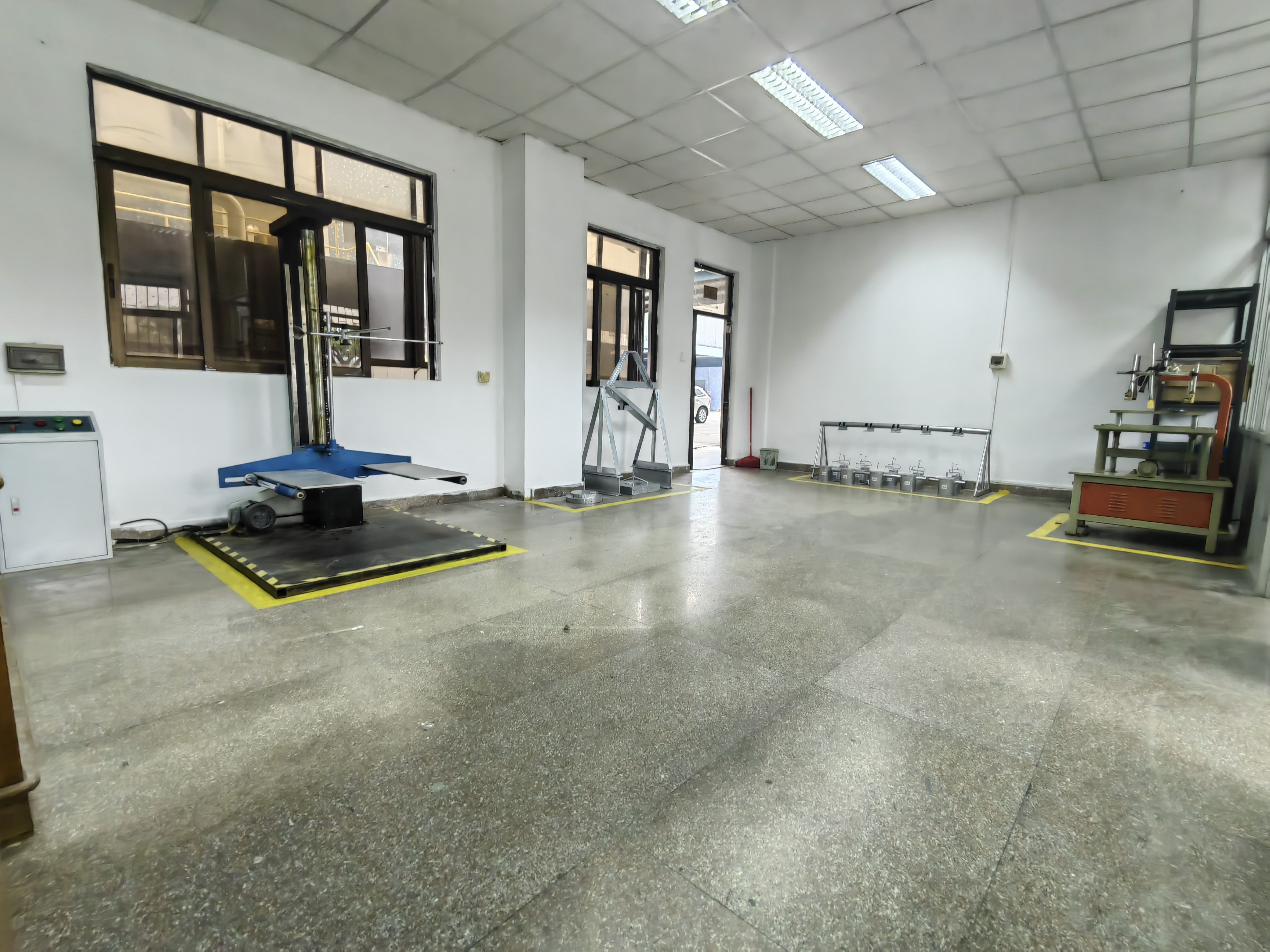
The supporting structure behind these processes includes a 12,320.66 m² factory, 350 employees, an annual output of 480,000 units, and a research and development team of 6 engineers. R&D capacity is relevant to compliance because standard revisions frequently require design responses — additional protective components, changes to control electronics, or adjustments to material selection — rather than simple paperwork updates.
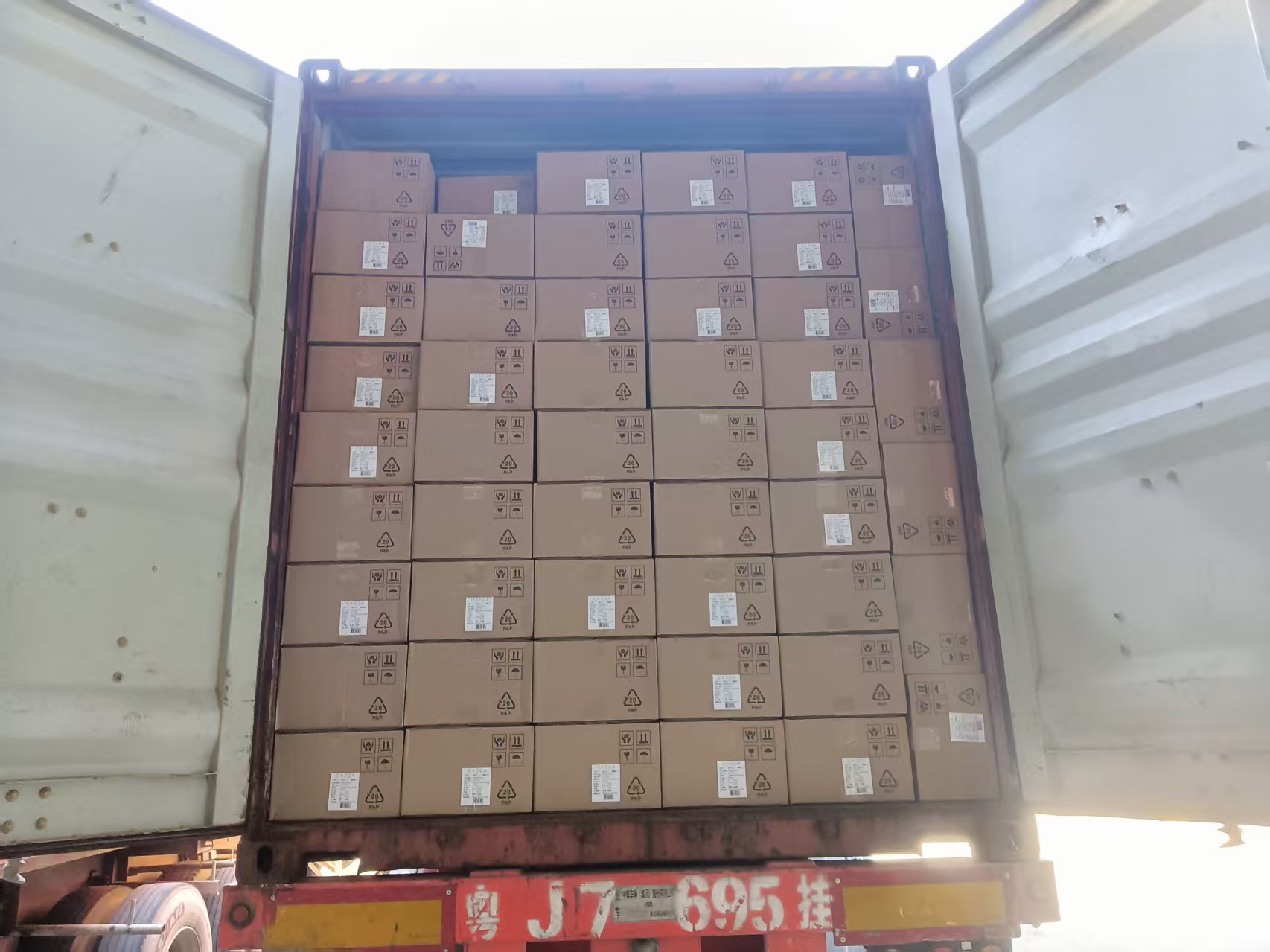
Finally, market familiarity is itself a capability. With 100% of output exported and main markets in the EU, USA and Australia, Handing operates continuously against the documentation expectations of those regions. The company's products are listed in UL, cUL, Nom, BSI, CE, GS, Swedish Standard and SAA, and its European models carry LVD/GS/TUV, EMC, EMF, RoHS and ERP coverage. For a buyer, this means the compliance discussion starts from an existing baseline instead of an assumption.
Step-by-Step: Verifying Compliance Before You Place the Order
The sequence below is written for the evaluation and execution stages of a ceiling fan programme. It is designed to be run before the purchase order is issued, because most compliance cost is created by late discovery rather than by testing itself.
- Define the installation environment. Confirm whether the fan is ceiling mounted, whether it includes a light kit, and whether it will run in an occupied or unattended area. The unattended case is the one that triggers the additional protective requirement introduced in the November 27, 2024 version of UL 507.
- Map the destination framework. For the United States, the reference is UL 507 plus the buyer's energy expectations. For the European Union, the reference is EN IEC 60335-2-80:2024 together with LVD, EMC, EMF, RoHS and ErP requirements.
- Confirm listing coverage for the exact configuration. Check that the blade span, motor type, control method, finish and light option in the quotation match the documentation. A low profile ceiling fan and a pull chain controlled ceiling fan may share a family, but they are not always covered by the same file.
- Review material and finish documentation. For EU-bound orders this means RoHS evidence; for US-bound orders it means whatever the buyer's technical file specifies. Ask how chemical testing is performed and by whom, not only whether it was performed.
- Review energy documentation where relevant. If the project references ENERGY STAR, the efficiency criterion — at least 3.25D + 107 (CFM/W) under the 2024 Most Efficient criteria — should be matched against the actual model, not against a category average.
- Validate with a sample. A sample review should combine the physical product with its paperwork: listing reference, test reports and chemical test records. Judging the fan without its documents only confirms appearance and airflow.
- Lock the compliance file into the order. Name the applicable standard revision, the marks, and the documents that must accompany the shipment in the purchase order, so that any later design change becomes a documented decision rather than a silent one.
Use Cases: Where Indoor Commercial Compliance Is Tested in Practice
Compliance requirements are easier to apply when they are attached to a real installation. The scenarios below reflect the configuration decisions that typically drive documentation in each case.
Hotel and hospitality lobbies
A hotel lobby usually calls for a decorative ceiling fan that complements the interior rather than an exposed utility product. Because the space is public and running hours are long, both safety listing and energy performance become relevant, and the decorative finish itself is a compliance-relevant choice: plated and painted surfaces are where material restrictions are most often decided.
Restaurants, cafés and after-hours spaces
These venues combine high ceilings, long operating hours and periods when the room is unattended. That combination is precisely what the secondary protective requirement in the November 27, 2024 revision of UL 507 addresses, which makes the standard revision a direct specification issue rather than background information.
Retail showrooms and offices
In retail and office environments, noise and control flexibility matter as much as safety. Buyers in this segment often look for quiet operation ceiling fans, DC ceiling fan options and smart WiFi ceiling fan controls. Each added feature introduces electronics that must remain inside the same EMC and safety envelope as the base fan, so the compliance file has to cover the control module, not just the motor.
Heritage, themed and refurbishment projects
Refurbishment work often specifies a retro vintage ceiling fan to match an existing interior. In these projects the fan may be a low profile ceiling fan mounted close to the ceiling, or a 42-inch, 48-inch or 52-inch model chosen to match the room's proportions. Because refurbishments frequently follow different approval paths from new builds, buyers should confirm the applicable market framework early rather than assume it from the building's age.
Across all four scenarios, the same rule applies: the commercial grade ceiling fan is specified by the environment and the market, and the documentation follows the configuration.
Frequently Asked Questions
Which certifications should an indoor commercial ceiling fan carry for the US and EU markets?
For the United States, the reference safety standard is UL 507, and fans are normally listed through a Nationally Recognized Testing Laboratory, with UL and cUL being the marks most often referenced in ceiling fan sourcing. For the European Union, the reference safety standard is EN IEC 60335-2-80:2024, supported by CE marking under the Low Voltage Directive together with EMC, EMF, RoHS and ErP requirements, and GS or TUV marks where the buyer requires them. Handing Co. Ltd.'s ceiling fans are listed in UL, cUL, Nom, BSI, CE, GS, Swedish Standard and SAA, and its European models are covered for LVD/GS/TUV, EMC, EMF, RoHS and ERP.
How does a manufacturer's ISO 9001 certification relate to ceiling fan compliance?
ISO 9001 certifies a quality management system, not a product, so it does not replace a safety listing or a test report. Its relevance to compliance is consistency: a documented quality system controls incoming materials, production processes, inspection and corrective action, which is what keeps a listed configuration unchanged between production runs. Handing Co. Ltd.'s ceiling fan and lighting factory has held ISO 9001 certification since 1996, and this sits alongside in-house production of most metal parts, in-house painting, in-house motor assembly and a 100% owned electroplating factory. Buyers should still require product-level listing and test documentation, because a management system certificate alone does not demonstrate that a specific fan model meets UL 507 or EN IEC 60335-2-80.
What drives the cost of a compliant indoor ceiling fan?
Cost in this category is driven by material and process control, the extent of outsourcing, chemical testing, third-party certification activity, and the energy performance of the design. A manufacturer that keeps more of the process in-house usually has more levers on cost: Handing produces most of its metal parts, performs its own painting, assembles its own motors, and owns 100% of its electroplating factory in order to keep electroplating quality consistent, delivery on time and cost competitive. Compliance cost, therefore, is not a fixed surcharge on a fan; it varies with how much of the material and process chain the supplier already controls.
Can compliance be validated with a sample before a production order?
Yes, and the sample stage is the least expensive place to do it. A useful sample review pairs the physical fan with its documentation: the listing reference, test reports and chemical test records for the exact configuration quoted, including any light kit or control module. Handing Co. Ltd. maintains a sample room for buyer evaluation and provides factory presentation material for compliance and capability review. Buyers who want to begin that process can request samples, listing information and the factory presentation through sales@handingfan.com or WhatsApp at +852 92839029.
Does compliance work affect lead time and production scheduling?
Compliance work can affect scheduling when a product has not previously been listed for the destination market, or when a standard revision changes what is required. The UL 507 update effective November 27, 2024, which added secondary thermal or current fuse requirements for fans in unattended areas, is a clear example of a change that can require a design review before production. Where an existing listing already covers the quoted configuration, the compliance path is mainly documentation and can be handled in parallel with normal order preparation. Because scheduling depends on the specific model and market, buyers should confirm the applicable standard revision, the listing status and the production schedule with the supplier before the purchase order is issued.
Conclusion: Treat Compliance as a Sourcing Criterion, Not a Final Check
Indoor commercial ceiling fan compliance in the US and EU markets resolves to two different structures. The US route runs through UL 507 and its November 27, 2024 revision, which added secondary thermal or current fuse requirements for fans in unattended areas, with ENERGY STAR providing a voluntary energy benchmark. The EU route runs through EN IEC 60335-2-80:2024 supported by LVD, EMC, EMF, RoHS and ErP obligations.
The manufacturer-side question is whether those requirements hold during production, not only during sampling. The signals worth checking are measurable: whether the quality system is documented, whether metal parts, painting, motors and plating are controlled in-house or outsourced, whether the engineering team can respond to a standard revision, and whether the supplier already ships continuously into the destination market. Handing Co. Ltd. addresses those signals through a ceiling fan and lighting factory certified to ISO 9001 since 1996, in-house production of most metal parts, in-house painting and motor assembly, a 100% owned electroplating factory, and 100% of output exported to the EU, USA and Australia.
Next Step: Request the Compliance File and Factory Presentation
For an indoor commercial ceiling fan programme in the US or EU, the practical first step is a documentation review before commercial negotiation begins. Handing Co. Ltd. can provide product listing information, factory presentation material, and sample arrangements for evaluation.
- Factory presentation (PDF): download the Handing factory presentation
- Website: www.handingfan.com
- Email: sales@handingfan.com or minglam3@hotmail.com
- WhatsApp: +852 92839029
- Contact: MING LAM · Tel: 86-13828060322
- Factory address: No.28, Xiang Long Bei Road, Xiang Long Island, Sanbu Town, Kaiping City, Guangdong Province, China
Have Questions or Need More Details?
Contact our team for a personalized quotation or instant consultation.
Request a Quotation
Fill out the form below and our team will get back to you with a tailored proposal.
WhatsApp Direct Chat
Prefer to chat in real-time? Message us on WhatsApp for instant assistance & quick answers.
- Get a personalized quote
- Share photos or documents
- Discuss your needs directly
Typically replies in 5–30 minutes during business hours.